
Beyond Immediate Relief: How Disaster Cash Transfers Can Better Support Women
A study of 400 households in disaster-affected districts of Andhra Pradesh examines how humanitarian cash transfers help families meet urgent needs, and why timely payments, local partnerships and gender-responsive support matter for long-term recovery.

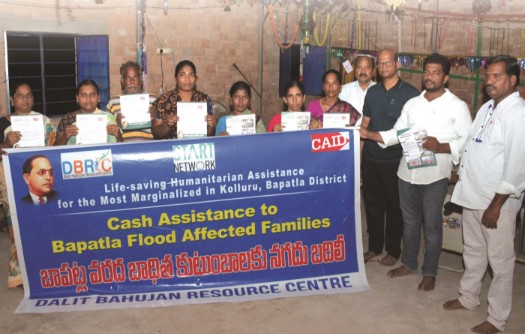
Editor's Note
When disaster strikes, families often need immediate help to meet basic needs such as food, shelter and healthcare. Cash assistance can help, but its impact depends on how quickly it reaches people, how much support they receive and whether they can decide how to use it.
In this study, the Dalit Bahujan Resource Centre (DBRC) examines how women in disaster-affected districts of Andhra Pradesh experienced humanitarian cash assistance. Drawing on household surveys, group discussions and consultations, the study looks at what worked, where gaps remained and how local organisations and government agencies can work together to make relief more accessible and responsive to women’s needs.
About DBRC
Established in 1992, DBRC works with marginalised communities across Andhra Pradesh and Telangana to improve their access to rights, resources and opportunities. Its work includes education, livelihoods, women’s leadership, labour rights, health, disaster preparedness and environmental sustainability. Through community engagement, research, training and advocacy, DBRC helps people understand their rights, access available support and take part in decisions that affect their lives.
To learn more about the organisation and its work, visit www.dbrcindia.org
Disclaimer
The views and opinions expressed in this submission are those of the contributing organisation or author and do not necessarily reflect those of GROW+. The content is the responsibility of the submitting organisation or author, and its publication does not constitute an endorsement by GROW+.
Related Stories
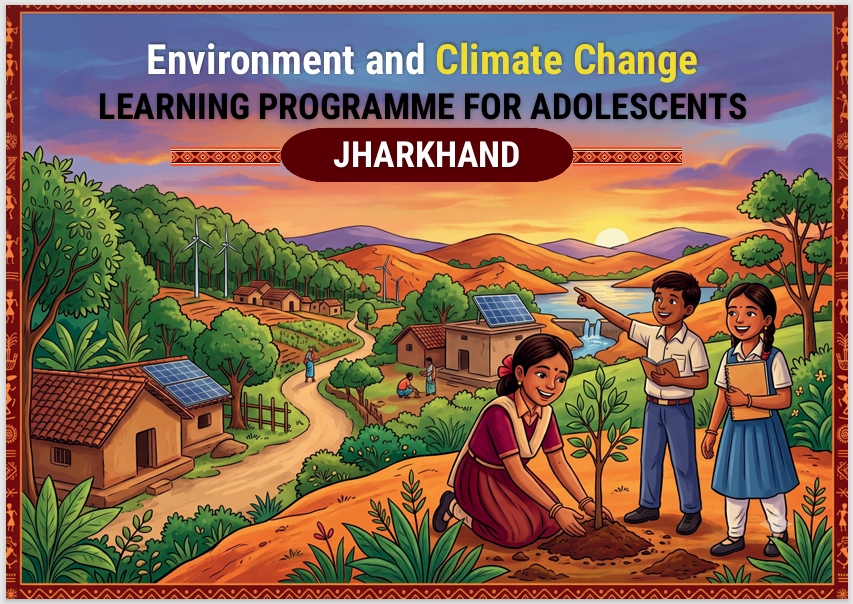
Learning About Climate Change Through Local Action: Jago Foundation’s Programme for Adolescents
Jago Foundation’s programme in Jharkhand brings climate and environmental topics into adolescent learning, creating opportunities to build awareness beyond textbooks.
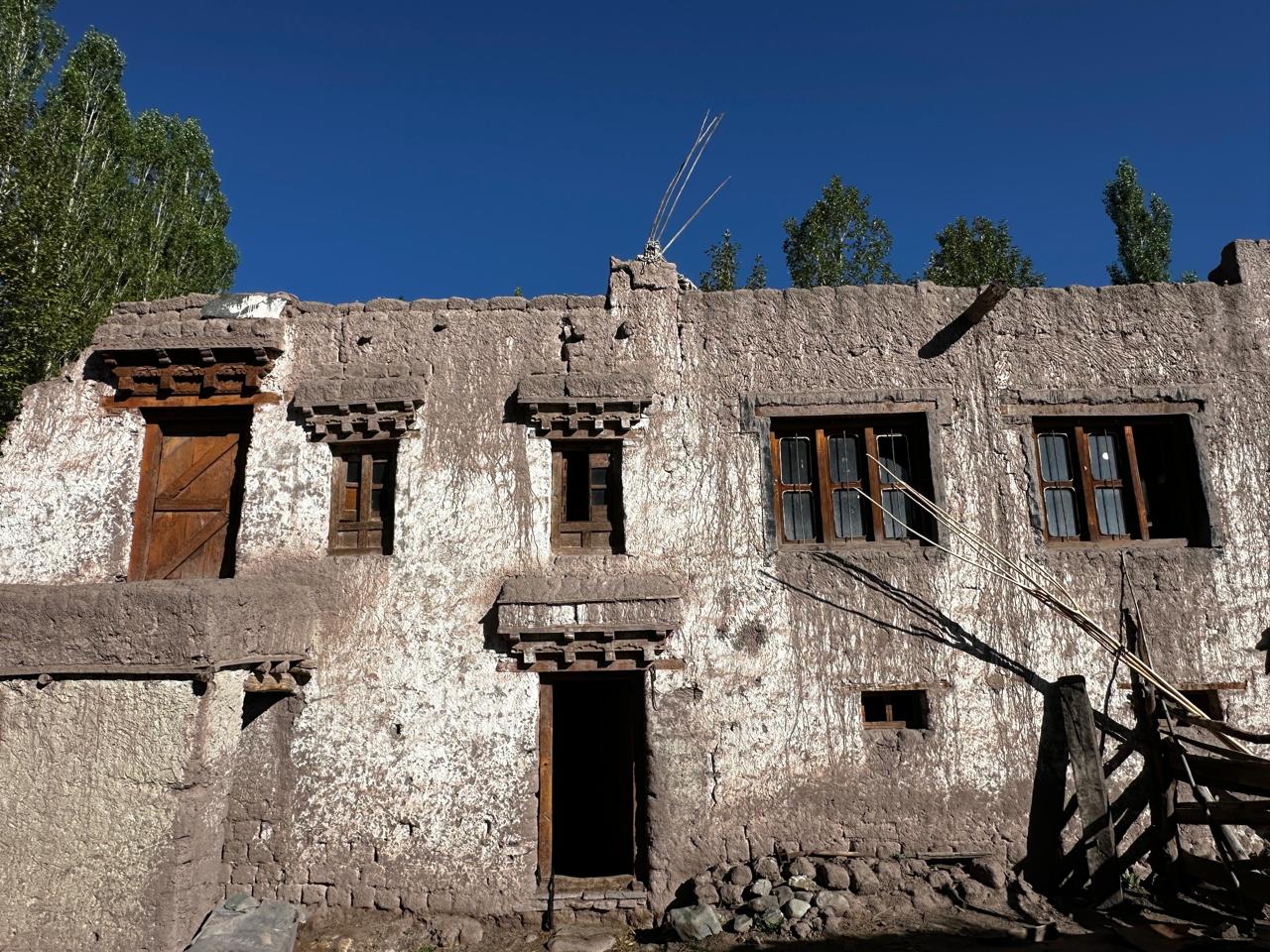
When Rainfall Changes in Ladakh, Homes and Heritage Pay the Price
In Ladakh, a region where snowfall and glacial melt have long sustained life, unusual rainfall is changing what communities can expect from each season. Local residents share how these shifts challenge long-held practices and the way they live with their surroundings.
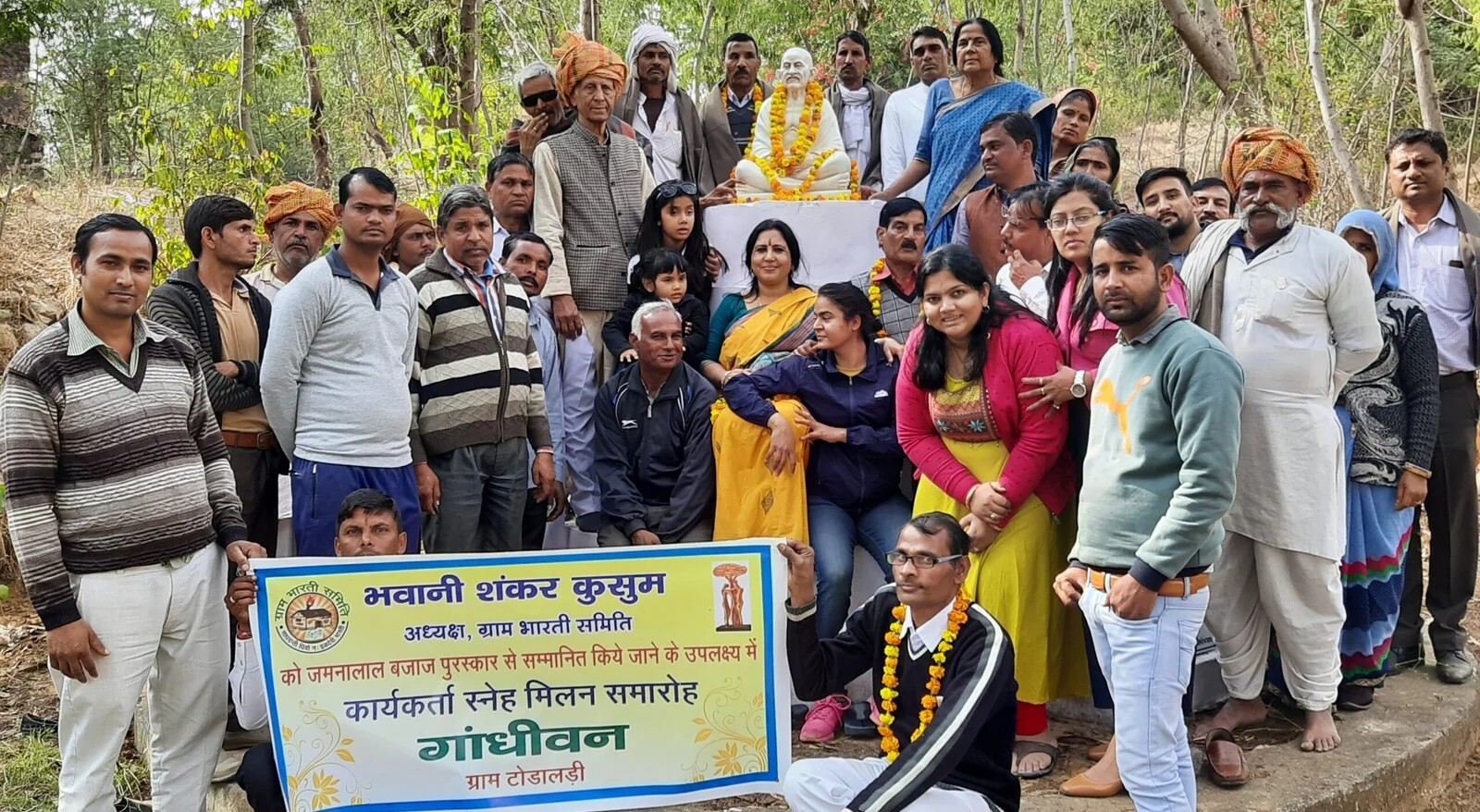
Gandhivan: How Three Decades of Tree Planting Are Restoring a Degraded Landscape
In Todaladi, Rajasthan, Gram Bharti Samiti’s long-running efforts bring together tree planting, rainwater harvesting and soil conservation to restore degraded land.